
Exploring the psychological factors that influence casino gambling behavior
The Thrill of Risk: Understanding the Appeal of Gambling
Casino gambling is inherently rooted in the thrill of uncertainty, which appeals to a wide array of individuals. The excitement of risking money for a potential reward taps into psychological phenomena such as dopamine release in the brain, making it similar to the best online poker experiences where players chase those highs associated with wins. This chemical reaction creates feelings of pleasure and satisfaction, which can lead to repeated gambling behavior.
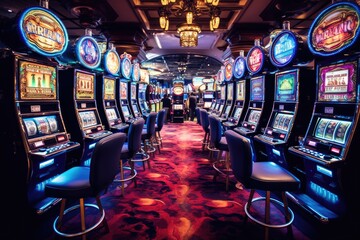
Moreover, the environment of casinos—characterized by bright lights, sounds, and the overall ambiance—intensifies this experience, making it even more alluring. Gamblers often find themselves enveloped in a sensory-rich experience that heightens their emotional responses, reinforcing their desire to continue gambling despite the inherent risks.
The Role of Cognitive Biases in Gambling Decisions
Cognitive biases significantly influence how gamblers make decisions and perceive outcomes. One common bias is the „gambler’s fallacy,” where individuals believe that past events affect future outcomes in games of chance, such as assuming that a winning streak will continue or that a losing streak will end. This misconception can lead to irrational betting behaviors and increased gambling.
Additionally, the illusion of control—a belief that one can influence the outcome of random games—fuels gambling behavior. Gamblers may feel that their decisions can sway results, leading to an increased commitment to play. Understanding these cognitive biases is crucial for recognizing how they contribute to a cycle of gambling that can be hard to break.
The Emotional Connection: Escapism and Social Interaction
Many individuals utilize gambling as a means of escapism, seeking refuge from daily stresses and life challenges. The casino setting offers a temporary distraction and allows individuals to immerse themselves in a world where their worries seem to fade away. This emotional connection can be a powerful motivator for repeated gambling behavior, as players seek to replicate that sense of relief and enjoyment.
Furthermore, the social aspect of gambling cannot be overlooked. Casinos often foster environments that encourage social interaction, whether through group games or communal experiences. This sense of community can enhance enjoyment and increase the likelihood of returning to gamble, as players build connections with others who share similar interests.
Behavioral Addiction: Recognizing the Signs
The psychological factors influencing gambling behavior can sometimes lead to addictive patterns. Behavioral addiction in gambling is characterized by compulsive engagement despite the negative consequences. Recognizing the signs of gambling addiction is critical for intervention and support, as it can affect mental health, relationships, and financial stability.
Individuals who exhibit signs such as preoccupation with gambling, unsuccessful attempts to cut back, or using gambling as a coping mechanism should seek help. This awareness is vital not just for the individuals but for those around them, encouraging a supportive environment for recovery and healthier coping strategies.

About Our Website
Our platform is dedicated to creating a secure and informative environment for individuals interested in the complexities of gambling behavior. We aim to provide valuable insights while prioritizing user safety and understanding of the psychological elements that influence gambling.
On our site, you can find comprehensive resources that delve into various aspects of gambling psychology. We are committed to offering guidance and support for anyone looking to explore this multifaceted subject in a secure online space.
